Imagine your child is dragging a metal box (the famous “Ghana-Must-Go” style trunk) across the compound, while you’re busy squeezing other items into a travelling bag, carefully packing garri and Milo sachets as though preparing for a long village festival. The aunties and uncles are giving their last-minute advice—“Don’t fight oh, respect your seniors, and don’t forget to pray!” Meanwhile, in your mind, you’re calculating boarding school fees and silently wondering if your child will even use half of the provisions you’ve stuffed inside.
For many Nigerian families, sending a child to a boarding-school is not just a decision about academics. It’s about molding character, building resilience, and, for some parents, buying a little peace of mind from the daily wahala of school runs through Lagos traffic. But here’s the truth: not all schools are created equal, and the wrong choice can leave both parent and child with regrets.
This article will walk you through everything Nigerian parents should know before choosing a boarding school—from the boarding school requirements you must prepare for, to understanding boarding school facilities, to spotting the difference between hype and reality when it comes to the so-called best boarding schools. By the end, you’ll feel confident about making a decision that suits both your child’s future and your pocket.
In addition to reading this article, find time to also explore how NOUN courses online empower Nigerian students to study from anywhere. Learn about flexible learning, affordable tuition, and nationwide access that makes higher education easier, convenient, and more achievable for everyone.
Why Boarding School Is a Big Deal in Nigeria
In Nigeria, boarding school isn’t just about “sleeping in school.” It’s a cultural milestone. Many of us remember our parents bragging that boarding school taught them independence—how to wash their clothes with detergents and bar soap, cook indomie with a borrowed heater, and survive on cabin biscuit during tough days.
Today, the world has changed, but the essence remains. Boarding schools can either shape a child into a confident, disciplined adult—or scar them with memories of bullying, poor feeding, or inadequate boarding school facilities. This is why choosing carefully matters.
Key Factors to Consider When Selecting a Boarding School
Before you rush to pay boarding school fees or pack that famous metal trunk with garri and Milo, pause. The decision to send your child to a boarding-school is bigger than uniforms and visiting days—it’s about their future, wellbeing, and your peace of mind. Let’s dive into the vital factors every Nigerian parent must weigh carefully:
1. Boarding School Fees and Hidden Costs
When parents hear boarding school fees, the first thing that comes to mind is tuition. But in Nigeria, you quickly realize that tuition is just the beginning. Schools will hand you a long list that looks like an election manifesto—uniforms (both day wear and house wear), ceremonial outfits, sandals, sportswear, and even “special” socks. Add in provisions—Milo, milk, garri, indomie, cabin biscuits—and you’re already sweating.
Then come the extras: PTA levies, development fees, and excursion charges that pop up in the middle of the term like uninvited guests. Some schools even request contributions for “infrastructure projects” every session. If you don’t plan carefully, you’ll find yourself using December bonus to settle outstanding balances in March.
Don’t just ask the principal about fees—talk to parents with children in the school. They’ll tell you the truth about the “hidden charges” that never make it into the glossy brochure. Always ask yourself: “Can I pay this comfortably every year without selling my car or turning school fees into family emergency meetings?”
2. Boarding School Facilities
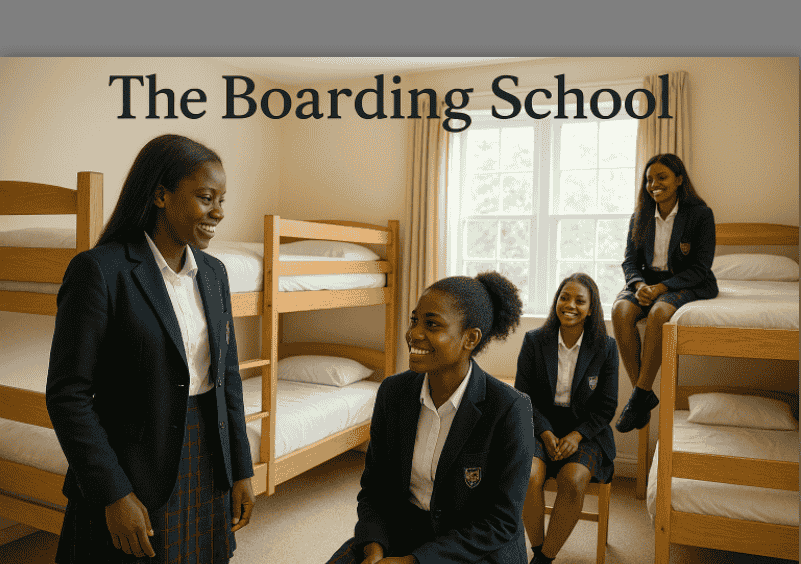
A boarding school is more than classrooms—it’s your child’s second home. And in Nigeria, “home” can mean two very different things depending on the school. Some dormitories are so cramped, children sleep like sardines, while others have spacious bunks and lockers for personal items. Toilets and bathrooms are even more telling. A sparkling, tiled restroom shows care, while a dirty “bucket system” screams neglect.
The dining hall is another place to watch. If the kitchen serves watery stew with three beans floating inside, don’t expect your child to be smiling on visiting day. On the other hand, a school that serves balanced meals with fruit or milk regularly is showing commitment to student wellbeing. Don’t also forget academic facilities—libraries with current books, functional science labs, computer rooms with working systems (not just fancy furniture).
Visit the school unannounced if possible. Speak to students—not the prefects, but the juniors. Nigerian students boarding are blunt; they’ll tell you if the food is terrible, if water runs only once a week, or if the “school clinic” is just Panadol and prayer.
3. Location and Distance from Home
In Nigeria, location isn’t just about Google Maps—it affects your wallet, your child’s comfort, and your peace of mind. Imagine living in Port Harcourt but sending your child to boarding school in Abuja. Visiting days suddenly become long-distance trips that require flight tickets or endless night buses. Even the trunk box your child drags along could cost you extra for cargo fees.
Distance also impacts emergencies. If your child falls sick, can you reach them quickly? Or will you rely on phone calls while rushing to catch the next available flight? Beyond travel, location comes with cultural considerations. A Yoruba child in a strongly Hausa or Igbo-dominated boarding school might feel out of place at first. Over time, it could be enriching, but only if the school actively encourages cultural inclusivity.
And of course, there’s security. Nigeria has its peculiar challenges. Before you enroll your child in a faraway school, ask: Is the area safe? Does the school have proper fencing, security guards, and emergency protocols?
Sometimes, the so-called “best boarding schools” aren’t worth the stress of distance. A good school within reachable distance can save you from unnecessary costs and sleepless nights.
4. Quality of Teachers and Academics
A boarding school may boast of tall gates, beautiful lawns, and air-conditioned classrooms, but without good teachers, it’s just a fancy playground. In Nigeria, we’ve seen schools where teachers are more interested in running side businesses than teaching, leaving children to copy notes endlessly. A competent teacher does more than deliver lessons—they inspire curiosity, push students to aim higher, and patiently explain until “the light bulb comes on.”
Don’t be carried away by the number of international flags outside the school gate. Ask real questions: What’s the teacher-student ratio? Are their teachers trained and certified? Do they have a record of producing excellent WAEC, NECO, and JAMB results? Academics remain the backbone of a child’s future. A school with unmotivated staff is like jollof rice without pepper—fine on the outside, bland and disappointing inside.
Speak with current students and parents. If you keep hearing “we do a lot of extra lessons outside school,” it’s a red flag.
5. Discipline and School Culture
Every boarding school has a culture—it’s either nurturing or suffocating. Some are military-style strict: 5 a.m. drills, punishment for unpolished shoes, and prefects with authority that rivals the teachers’. Others are more relaxed, giving students freedom that can either teach responsibility—or breed laziness.
The question is: What suits your child? A timid child might crumble under harsh discipline, while a more adventurous child could benefit from the structure. Nigerian parents often hear stories of children becoming independent in boarding school, but let’s be real—independence can also mean “I learned how to dodge prep, sneak provisions, and master the art of avoiding punishment.”
Visit on a normal school day. Observe interactions between seniors and juniors, and listen carefully during orientation. The school’s culture will shape your child far beyond academics.
6. Feeding and Nutrition
This one hits home for Nigerian parents: no matter how glossy the school brochure looks, if food is poor, you will know on visiting day. Your child will greet you at the gate looking slimmer than Lagos traffic patience. Some schools survive on repetitive menus—rice today, rice tomorrow, rice forever. Others stretch stew so much, you start wondering if it’s colored water.
Good boarding schools understand that nutrition fuels learning. A well-fed child is attentive in class, healthier, and less likely to be distracted. Watch out for schools that brag about boarding school fees but serve meals that can’t sustain growing children.
During inspection, ask to see the dining hall. Ask current students what they ate for breakfast that day. Nigerian students boarding hardly lie about food—they’ll tell you if beans is always half-done or if egg appears only once a term.
7. Health and Safety Standards
Every Nigerian parent knows that children fall sick at the most inconvenient times. In a boarding school, you’re not there to rush them to the hospital yourself, so health and safety standards are non-negotiable. Some schools boast of “clinics” that are really just one room with Panadol, iodine, and maybe a worn-out mattress. Others invest in proper first-aid facilities, trained nurses, and even visiting doctors.
Safety goes beyond medicine—it’s about security too. Is the school fenced and well-guarded? Are there fire extinguishers and evacuation plans? In a country where safety concerns are real, parents must be sure their children are protected.
During your visit, ask: What happens if my child has a medical emergency at 2 a.m.? A serious school should have a clear, professional answer.
8. Religious and Moral Values
In Nigeria, faith shapes everyday life, and for many parents, a school’s religious and moral foundation is more important than its fancy facilities. If your family is strongly Christian, would you be comfortable with a school that makes your child attend Islamic prayers, or vice versa? Beyond religion, there’s also morality—what values does the school emphasize? Respect, honesty, discipline, humility?
Some schools make chapel or mosque attendance compulsory, while others run on more liberal values. None is “wrong,” but the key question is: Does it align with what you’re already teaching at home? Because let’s be honest—boarding school will influence your child as much, if not more, than you do.
Ask about the school’s moral code. Do they have mentorship programs? Do teachers serve as role models? Nigerian parents know—it’s not just about passing WAEC, but also raising responsible adults.
9. Extracurricular Activities
Academics may open doors, but extracurricular activities sharpen the skills that help children walk confidently through them. Think of sports, music, arts, debate, drama, and clubs—these activities shape confidence, teamwork, and creativity. In Nigeria, we’ve seen children discover talents in boarding school that changed their lives forever: a shy boy who found his voice in debate, or a girl who picked up basketball and earned a scholarship abroad.
Sadly, some schools treat extracurricular as “waste of time,” focusing only on academics. But a boarding school that ignores creativity risks raising book-smart but socially awkward children. The goal should be a balance: study hard, play well, and explore hidden talents.
During school tours, ask to see the playgrounds, music rooms, or debate clubs in action. If a school can’t show you evidence of active extracurricular activities, it’s a red flag.
10. Reputation and Track Record
In Nigeria, word of mouth is gold. A school’s glossy website might boast of “international standards,” but the true test is in its reputation and results. Ask: How do their students perform in WAEC, NECO, and JAMB? Do alumni gain admission to good universities, both home and abroad? Do former students speak fondly of their time there, or do they warn you in hushed tones about hidden issues?
A school’s history often reveals its true worth. If a boarding school consistently produces strong results and well-rounded graduates, chances are it’s doing something right. On the other hand, if you hear complaints of poor management, exam malpractice, or neglect of students, don’t ignore those red flags.
Ensure you don’t rely only on what the principal tells you—visit on a visiting day and quietly mingle with other parents. Their honest feedback will tell you more than any brochure.
11. Affordability vs Prestige
Every Nigerian parent dreams of the best for their child, but sometimes “best” gets confused with “most expensive.” Some parents nearly go bankrupt just to say, “My child attends the same school as Governor’s son.” Prestige has its place, but it shouldn’t come at the cost of your family’s peace of mind.
The truth is, a child can thrive in an affordable boarding school with dedicated teachers and caring staff, while another may struggle in an overpriced institution that focuses more on image than substance. What matters most is the balance between quality, values, and what you can comfortably afford. After all, boarding school is just one stage—you still have to plan for university, professional exams, and life itself.
Remember, it is important to choose a school you can sustain for years without constant financial stress. A peaceful home is worth more than prestige.
12. Boarding School Requirements for Admission
Before your child can enjoy the “boarding-school experience,” there are requirements to meet. Most Nigerian boarding schools insist on an entrance exam—covering English, Math, and General Knowledge. Some also request a medical checkup to ensure the child is fit for school life. Documents like birth certificates, passport photos, and completed registration forms are standard.
But here’s where parents sometimes get caught: deadlines. Admission processes can be competitive, and late submissions may cost you a slot. Some schools also add “screening interviews” to assess character and readiness.
Start early. Gather all necessary documents and find out exactly what the school requires. Don’t assume it’s the same everywhere—every school has its own unique list of boarding school requirements.
Vital Benefits of Boarding School to Students in Nigeria
Here’s a culturally grounded, parent-friendly list of the Vital Benefits of Boarding School to Students in Nigeria—the positive side that makes many families still choose this path despite the wahala of boarding school fees and packing provisions:
1. Independence and Self-Reliance
In boarding school, children quickly learn survival basics—how to wash their own uniforms, polish their shoes, manage pocket money, and even cook noodles on a tiny stove (contraband, but part of the real experience). This builds confidence and problem-solving skills. By the time they get to university, they’re not shocked by independence because they’ve already been “trained by fire.” Many Nigerians proudly say, “Boarding school made me tough and street-smart.”
2. Discipline and Time Management
Boarding life runs like clockwork—wake up at 5:00 am, devotion, breakfast, classes, prep, and lights-out. This structured routine trains children to be punctual, organized, and respectful of time. Even outside academics, it teaches endurance. For example, learning to finish an assignment before “lights-out” builds speed and focus. Many former boarders still carry that ability to juggle tasks and deadlines into adult life.
3. Stronger Academic Focus
Unlike day students who might run errands or watch TV at home, boarding students spend more time in study halls and group discussions. Prep time ensures they review daily lessons, and peer learning boosts academic performance. Seniors often tutor juniors, creating a culture of mentorship. This focus explains why many Nigerian parents believe boarding schools “produce sharper children” compared to some day schools.
4. Social Skills and Lifelong Friendships
Boarding school is like a mini-Nigeria—you’re forced to share dormitories, meals, and even buckets of water with peers. In the process, children learn patience, negotiation, and teamwork. Those late-night gist sessions or dormitory bonding often turn into friendships that last decades. Many adults today still call their “boarding school mates” family.
5. Cultural Exposure and Tolerance
Nothing teaches tolerance like living with people from other tribes. Imagine a Yoruba boy learning to eat tuwo shinkafa in a Northern school, or an Igbo girl picking up Pidgin expressions from her classmates in Port Harcourt. Boarding school breaks down stereotypes and helps students embrace diversity. These small cultural exchanges build unity and prepare children for a global mindset.
6. Leadership Development
Prefect ship isn’t just about carrying a cane—it’s a crash course in responsibility. From supervising morning duty to leading clubs like Debate or Press, children learn how to manage people and make decisions. Even organizing classmates for inter-house sports or cultural day trains them for bigger roles in the future. Many Nigerian leaders often trace their first leadership lessons back to their days as boarding school prefects.
7. Resilience and Problem-Solving Skills
Boarding school toughens you. Coping with homesickness, queuing for water, or improvising when provisions finish teaches resilience. Students quickly figure out how to adapt, whether it’s sharing resources or solving conflicts in the dorm. These small survival skills prepare them to handle the bigger challenges of adult life. As many Nigerians say, “If you survived boarding school, you can survive anywhere.”
8. Extracurricular Growth
Boarding schools don’t just shape bookworms—they create all-rounders. From football matches that spark inter-house rivalries to cultural day dances and inter-school debates, students get the chance to discover and sharpen talents. Some future Nollywood stars and Afrobeats musicians first found their stage confidence at boarding school drama nights. Even shy kids often surprise their parents by developing skills they may never have discovered in a day-school environment.
9. Preparation for Future Transitions
Boarding life is the best rehearsal for the independence needed at university and beyond. Students learn how to handle homesickness, make decisions without mummy or daddy’s constant advice, and manage their time effectively. By the time they enter university or move abroad, the shock of independence is less overwhelming. Many Nigerian parents say, “If you want your child to cope at university, let them taste boarding school first.”
10. Character Building
Boarding school molds values in ways home training alone sometimes cannot. Sharing a dormitory teaches patience, queuing for food teaches humility, and coping with senior–junior dynamics builds perseverance. Respect for elders, teamwork, and resilience become second nature. These everyday experiences shape children into adults who are not just academically sound but also grounded in character.
As Parents, you must understand that while boarding schools offer these benefits, the experience depends on choosing the right school with proper boarding school facilities, balanced discipline, and caring teachers.
In Conclusion: Choosing the right boarding-school in Nigeria is more than just a financial decision—it’s a cultural, emotional, and long-term investment in your child’s future. From boarding school fees to boarding school facilities, from location to discipline style, every detail matters.
Think of it like preparing a pot of jollof rice. The rice alone isn’t enough—you need pepper, oil, seasoning, and patience. In the same way, a boarding school must have the right blend of academics, comfort, discipline, and affordability. Get the mix right, and your child will not only survive but flourish.
FAQs About Boarding Schools in Nigeria
1. What is the average cost of boarding school fees in Nigeria?
They range from ₦500,000 in affordable boarding schools to ₦5 million+ in elite schools per year.
2. How do I know the best boarding schools in Nigeria?
Check WAEC/NECO results, visit facilities, and ask current parents for honest feedback.
3. What provisions should I pack for Nigerian students boarding?
Essentials include toiletries, beverages, garri, cabin biscuits, socks, sandals, and mosquito nets.
4. What are the key boarding school requirements for admission?
Most schools need an entrance exam pass, birth certificate, and completed forms.
5. Are affordable boarding schools worth it?
Yes—many affordable schools offer quality academics and good boarding school facilities.
6. How can I check boarding school facilities before paying fees?
Visit unannounced if possible, and ask existing students and parents.
7. What are signs of poor boarding school facilities?
Overcrowded dorms, dirty toilets, poor meals, and lack of medical support.
8. Do boarding schools in Nigeria allow phones?
Most prohibit phones for junior students, but some senior classes may allow them under rules.
9. What’s the difference between day and boarding school experiences?
Boarding teaches independence, while day school keeps children closely connected to family.
10. How do I handle my child’s homesickness in boarding school?
Regular letters, visiting days, and phone calls (where allowed) help.
11. Are boarding schools safer than day schools in Nigeria?
Not always—safety depends on the school’s security arrangements.
12. Can my child thrive in boarding school if shy?
Yes, but choose a nurturing environment with supportive teachers.
13. What makes a school truly the best boarding school?
Not just prestige, but balanced academics, good facilities, discipline, and student wellbeing.
It will interest you to also read and discover how the right school desk boosts focus, comfort, and learning outcomes for Nigerian students. Learn why quality classroom furniture matters and how it impacts productivity, posture, and academic success.